Labrador Retriever: Why This Breed Is America's Favorite Dog
Breed Profiles

Separation anxiety is a common behavioral issue in pets, particularly dogs and cats, that can lead to distress for both the animal and their owner. It occurs when pets become overly attached to their owners and experience extreme anxiety when left alone. This condition can manifest in destructive behaviors, excessive vocalization, and even self-harm. Understanding the causes of separation anxiety and implementing effective strategies can help manage this condition and ensure your pet feels safe and secure.
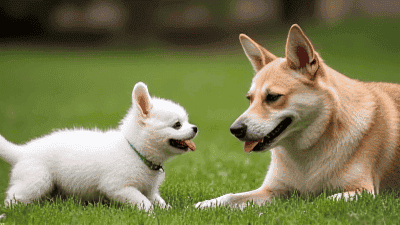
Separation anxiety is a common behavioral issue in pets, particularly dogs and cats, that can lead to distress for both the animal and their owner. It occurs when pets become overly attached to their owners and experience extreme anxiety when left alone. This condition can manifest in destructive behaviors, excessive vocalization, and even self-harm. Understanding the causes of separation anxiety and implementing effective strategies can help manage this condition and ensure your pet feels safe and secure.
Separation anxiety is a behavioral condition where pets experience extreme stress or anxiety when separated from their owners or primary caregivers. It is more common in dogs but can also affect cats and other pets.
Several factors can contribute to separation anxiety, including:
Small animals, birds, and even reptiles may also show signs of anxiety, such as agitation, refusal to eat, or self-destructive behaviors.

Expose your pet to different environments, people, and experiences from a young age to help them build confidence and adaptability.
Encourage your pet to spend time alone in a separate room or crate while you’re home to foster independence.
Balance affection with independence by setting boundaries and encouraging your pet to engage in activities without your constant presence.
Max, a 2-year-old Labrador, exhibited destructive behaviors and excessive barking when left alone. His owner implemented gradual desensitization, provided interactive toys, and created a calming environment. Within three months, Max’s anxiety significantly decreased, and he was able to stay alone comfortably for several hours.
Luna, a 3-year-old Siamese cat, would overgroom and refuse to eat when her owner was away. Her owner used pheromone diffusers, established a consistent routine, and introduced puzzle feeders. Luna’s anxiety improved, and she became more relaxed when left alone.
Yelling or punishing your pet for destructive behavior can worsen their anxiety. Instead, focus on positive reinforcement and addressing the root cause.
Separation anxiety rarely resolves on its own. Early intervention is key to preventing the condition from escalating.
Avoid showering your pet with attention immediately before leaving or after returning, as this can reinforce their dependence on you.
Monitor your pet’s progress and adjust your strategies as needed. Consistency is essential for long-term success.
Keep your pet mentally stimulated and engaged with ongoing training and enrichment activities.
Encourage your pet to face small challenges independently to build their confidence and resilience.
Separation anxiety in pets can be a challenging condition to manage, but with patience, consistency, and the right strategies, it is possible to help your pet feel more comfortable when left alone. By understanding the causes, recognizing the signs, and implementing proven techniques, you can reduce your pet’s anxiety and create a happier, healthier environment for them. Remember, every pet is unique, and what works for one may not work for another. If you’re struggling to manage your pet’s separation anxiety, don’t hesitate to seek professional help. Together, you and your pet can overcome this challenge and strengthen your bond.